Build quality
What makes a vape kit feel 'premium'? Build quality explained
Last updated 10 September 2026 · 8 min read
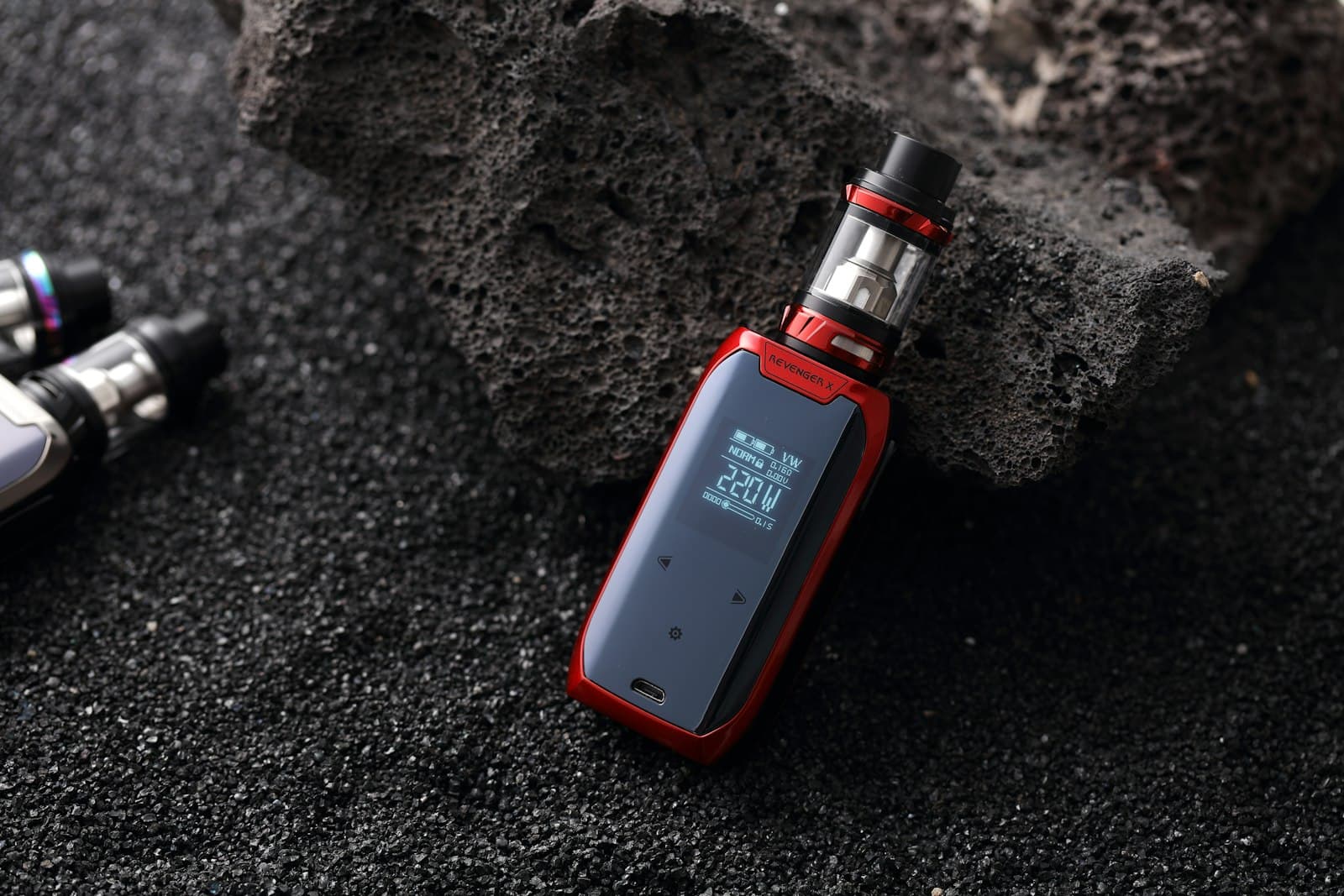
Pick up a £15 pod kit and a £55 one, and the difference is obvious within seconds, even before either is switched on. The weight sits differently in the hand. The buttons give a different sort of click. One feels like it might survive a fall from a bar stool; the other feels like it was built to a price and nothing more.
None of this is accidental. Manufacturers make deliberate choices at every price point, and understanding those choices is more useful than chasing a brand name alone. This guide looks at the areas that most reliably separate a considered device from a disposable-feeling one: the chassis, the screen and interface, the charging technology, the coil ecosystem, and the firmware underneath it all.
Chassis and materials
The single biggest giveaway of a device's price point is what it's made from. Budget kits tend to use injection-moulded plastic, or a thin metal shell wrapped around a plastic frame, chosen because it's inexpensive to produce and light to ship. It does the job, but it can flex slightly under pressure and tends to show scuffs quickly.
Higher-spec kits more often use zinc alloy, sometimes paired with leather-effect panels, brushed metal or resin inlays. Zinc alloy costs more to machine and adds weight, but that weight is frequently what makes a device feel solid the moment it's picked up. It also tends to resist the small knocks that would visibly mark a plastic body.
Screen and user interface
Entry-level pod kits often make do with a single LED that changes colour to show battery level, or a small monochrome display showing wattage and little else. It's functional, and for a lot of vapers, that's genuinely enough.
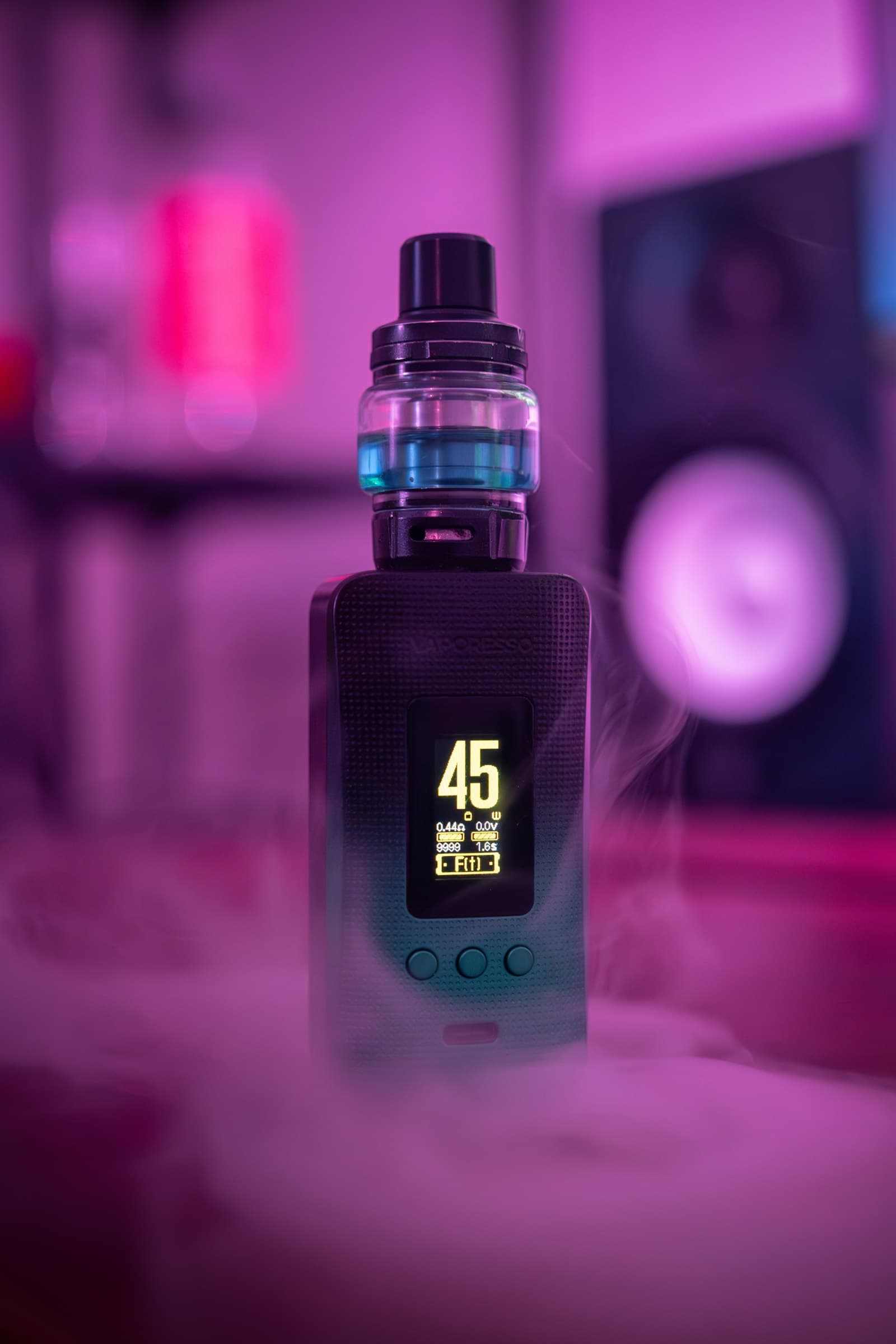
Flagship devices tend to move to full-colour or high-resolution OLED screens with proper menu systems: adjustable brightness, puff counters, coil resistance readouts, sometimes a choice of themes. The difference isn't really about needing more information. It's about how quickly and clearly that information is presented, and how the device feels to navigate day to day.
Battery and charging technology
USB-C has become close to universal across the market, so its presence alone doesn't tell you much any more. What does vary is the charging speed the internal circuitry actually supports, and whether the battery is removable. Budget kits generally use a sealed internal cell, which keeps costs down but means the whole device eventually needs replacing once the battery degrades.
Higher-spec kits more often support faster charge profiles, and some use a removable 18650 or 21700 cell, letting a worn battery be swapped out rather than binning the whole kit. Realistic battery life still depends heavily on wattage and usage pattern rather than any headline figure, so it's worth treating specific "hours of use" claims as a rough guide rather than a promise.
Coil ecosystem breadth
A kit is only as good as the coils available for it. Budget devices are often tied to one or two coil options, which limits how the device can be tuned for flavour, vapour production or throat hit. Premium ranges typically offer a broader spread of resistances, covering both tighter mouth-to-lung (MTL) draws and looser direct-to-lung (DTL) options within the same ecosystem, alongside better long-term stock availability.
It's worth noting that in the UK, pre-filled pods and cartridges are capped at 2ml under the Tobacco and Related Products Regulations, regardless of price point, while refillable e-liquid bottles are separately capped at 10ml for nicotine-containing liquid, per GOV.UK guidance. A wider coil range doesn't change that limit, but it does change how consistently a device performs within it.
Firmware and features
This is the least visible area but arguably the most felt in daily use. Adjustable airflow, custom wattage curves, preheat functions and device locking are all firmware-dependent features that tend to appear first, and run most smoothly, on higher-end devices with more capable chipsets. Cheaper devices can technically list similar features on a spec sheet, but the execution, how responsive the buttons feel, how quickly the menu reacts, is usually where the gap becomes obvious.
Signs of a well-built kit
A few practical signs are worth checking before buying, regardless of brand:
- A snug, rattle-free fit between the pod or tank and the main body
- Buttons with a clear, consistent click rather than a mushy press
- A USB-C port that sits flush and doesn't wobble
- Genuine weight in the hand rather than hollow-feeling plastic
- A coil range that's still in production, not discontinued stock
Budget versus higher-spec, side by side
| Feature | Budget-oriented kit | Higher-spec kit |
|---|---|---|
| Typical chassis | Injection-moulded plastic | Zinc alloy or metal composite |
| Display | LED indicator or basic OLED | Full-colour or high-resolution OLED |
| Charging | Standard USB-C | USB-C with faster charge profiles |
| Coil range | One or two stock options | Broad range across MTL and DTL |
| Typical price | Roughly £15–£25 | Roughly £35–£70 and up |
Where the brand names come in
Well-known manufacturers such as Vaporesso, Voopoo and GeekVape each apply these principles differently, with their own take on chassis design, screen technology and coil systems. We've written a separate guide on how their flagship pod kits differ in approach, which is worth reading alongside this one if you're comparing specific devices rather than general price points.
None of this means a budget kit is a bad choice. Plenty of vapers are well served by a straightforward, inexpensive device and have no interest in adjustable wattage curves or a removable battery. But if you're choosing a kit you intend to keep for a year or more rather than replace within a few months, these are the details that tend to matter most once the novelty of a new device has worn off. For a broader look at whether that extra spend makes sense for you specifically, see our guide on whether a more expensive vape kit is actually worth it.