Brand comparison
Uwell and Aspire: a quieter kind of craftsmanship
Last updated 16 September 2026 · 8 min read
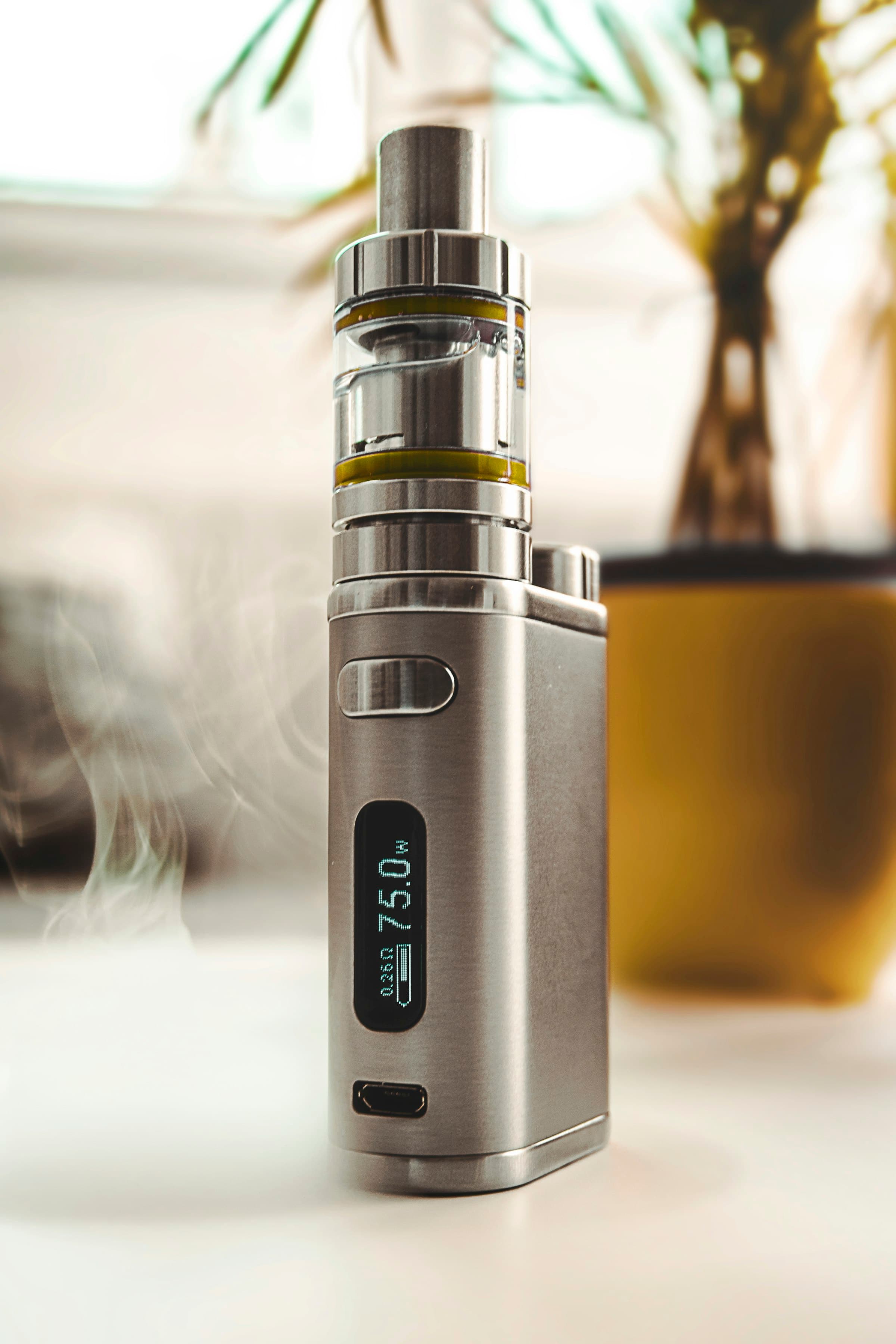
Not every manufacturer wants its flagship device to announce itself the moment it's set down on a table. Our earlier guide on Vaporesso, Voopoo and GeekVape's flagship pod kits looked at three brands that tend to build around visible spectacle: colour-driven displays, motorsport-influenced silhouettes, rugged shock resistance. Uwell and Aspire sit somewhere quieter. Neither has built its reputation on the loudest chassis in the room. Both have built it, more consistently, on the coil actually working well once the packaging is off.
This is an editorial look at how the two brands tend to position their higher-end pod kits and devices, based on publicly available specifications and product positioning rather than lab testing or star ratings. Treat it as a different lens on the same question the flagship comparison asks: what is a manufacturer actually optimising for.
Uwell: restraint as the design language
Uwell's most recognisable line, the Caliburn series, has spent several generations resisting the urge to add features for their own sake. Chassis shapes have stayed close to a simple rounded rectangle across most models, finished in matte or soft-touch coatings rather than the metallic or heavily textured panelling more common on flagship mods from louder brands. Screens, where fitted at all, tend to be small and function-first, showing wattage and battery level rather than doubling as a decorative centrepiece.
What Uwell appears to invest in instead is coil consistency. Its UN2 and later coil generations have built a reputation among vapers for holding flavour and vapour production steady across a pod's working life, rather than tailing off sharply after the first few days. That reputation isn't something we can verify ourselves without lab equipment, and we won't pretend otherwise, but it is a consistent thread in how the brand is discussed, and it lines up with how Uwell frames its own coil development: the visible effort goes into what happens inside the pod, not what the chassis looks like from across a room.
Aspire: an older brand's unfussy confidence
Aspire has been building vape hardware for longer than most of its flagship-chasing rivals, and its higher-end kits read like a brand that stopped needing to prove itself through design flourishes some time ago. The Nautilus line, one of the longest-running coil ecosystems in the category, has been carried across multiple device generations with a degree of backward compatibility that newer brands rarely attempt. Aspire's pod kits and mods tend to favour straightforward cylindrical or slab-sided shapes, satin metal or simple gloss finishes, and interfaces that prioritise legibility over animation.
That isn't to say Aspire ignores materials. Its higher-end devices commonly use zinc alloy chassis in line with other premium kit, in keeping with the general pattern covered in our guide to what makes a vape kit feel premium. The difference is that Aspire rarely leans on that chassis as a headline feature the way GeekVape leans on ruggedness or Voopoo leans on its Gene chipset. The brand's implicit pitch seems to be that a coil ecosystem you can trust across several device generations matters more than a new silhouette every year.
What "quieter" actually means in practice
In practice, the quieter approach tends to show up as an absence of things rather than a presence: no RGB lighting, no seasonal colourway drops at the pace some rivals manage, shallower menus with fewer power-curve options to dig through. That isn't unambitious so much as a different bet on what people actually want. The wager both brands seem to be making is that most vapers care more about a coil tasting the same on day ten as it did on day one than about a menu with six wattage curves they will open once and never touch again.
The quieter approach against the flagship theatrics
| Aspect | Uwell and Aspire | Vaporesso, Voopoo and GeekVape flagships |
|---|---|---|
| Design emphasis | Understated, function-led shapes and finishes | Distinctive silhouettes, colour or rugged styling |
| Screen and interface | Small, functional, or absent entirely | Full-colour or high-resolution OLED with deeper menus |
| Where the investment tends to show | Coil consistency and long-term ecosystem support | Chassis materials, firmware depth or resilience |
| Coil ecosystem reputation | Long-running, broadly compatible across generations | Broad and current, refreshed more frequently |
Who the quieter approach suits
If you find yourself irritated by menus you never use, or you would rather a device disappear into daily use than draw attention to itself, Uwell and Aspire's higher-end pod kits are worth looking at specifically, rather than treating them as a fallback once flashier options are ruled out. The same applies if coil availability several years down the line matters more to you than having the newest silhouette on the shelf.
If instead you enjoy adjusting airflow and power curves, or you want a chassis that doubles as a talking point, the flagship approach covered in our brand comparison is worth reading properly rather than assuming quieter automatically means better. Neither camp is wrong. They are simply building for different people, and it is worth being honest with yourself about which one you actually are before you buy.
As with any brand-level comparison, specifications shift between generations and individual models within each range vary, so it is worth checking a specific device's current listed chassis material, screen type and coil range before buying, rather than assuming an entire brand behaves identically across its whole lineup. If you are also weighing whether a second, quieter kit alongside a louder daily carry makes sense, our guide on the case for owning more than one vape kit looks at that decision honestly.